





Peach Blossom Spring
Poetic and Calligraphic Charm
Through a thousand years, the cultural heritage has been passed down; with a single scroll, Taoyuan enters the human world.
自东晋陶渊明写下《Peach Blossom Spring》以来,“桃花源”便成为中国文化中最富诗意与想象力的精神象征。千百年来,无数诗人、画家、书法家、文人墨客,以诗词寄情,以丹青造境,以笔墨描绘心中的桃源世界。因此,桃花源早已超越一篇文学作品,而逐渐演变为中国传统文化中的东方精神图景。
有人向往桃花源中的宁静山水;
有人追寻陶渊明归隐田园的人生境界;
也有人借“桃花源”表达对理想社会的期待。
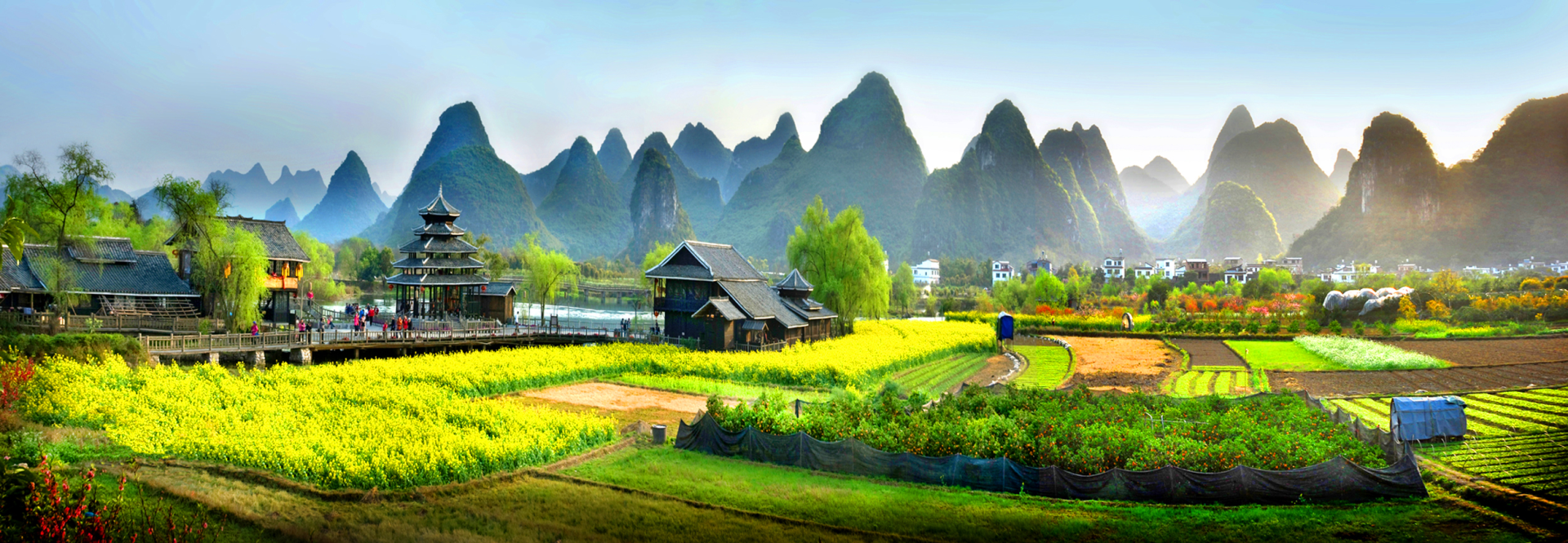
Chinese Wonderland景区,正是以这一跨越千年的文化脉络为基础,融合诗词、书画、山水与空间意境,重新演绎属于新时代的“桃源文化”。这里不仅有桂林山水,更有千年文脉的延续。
摄影 吴勇《桃源春色》
千年诗韵|历代文人笔下的桃花源
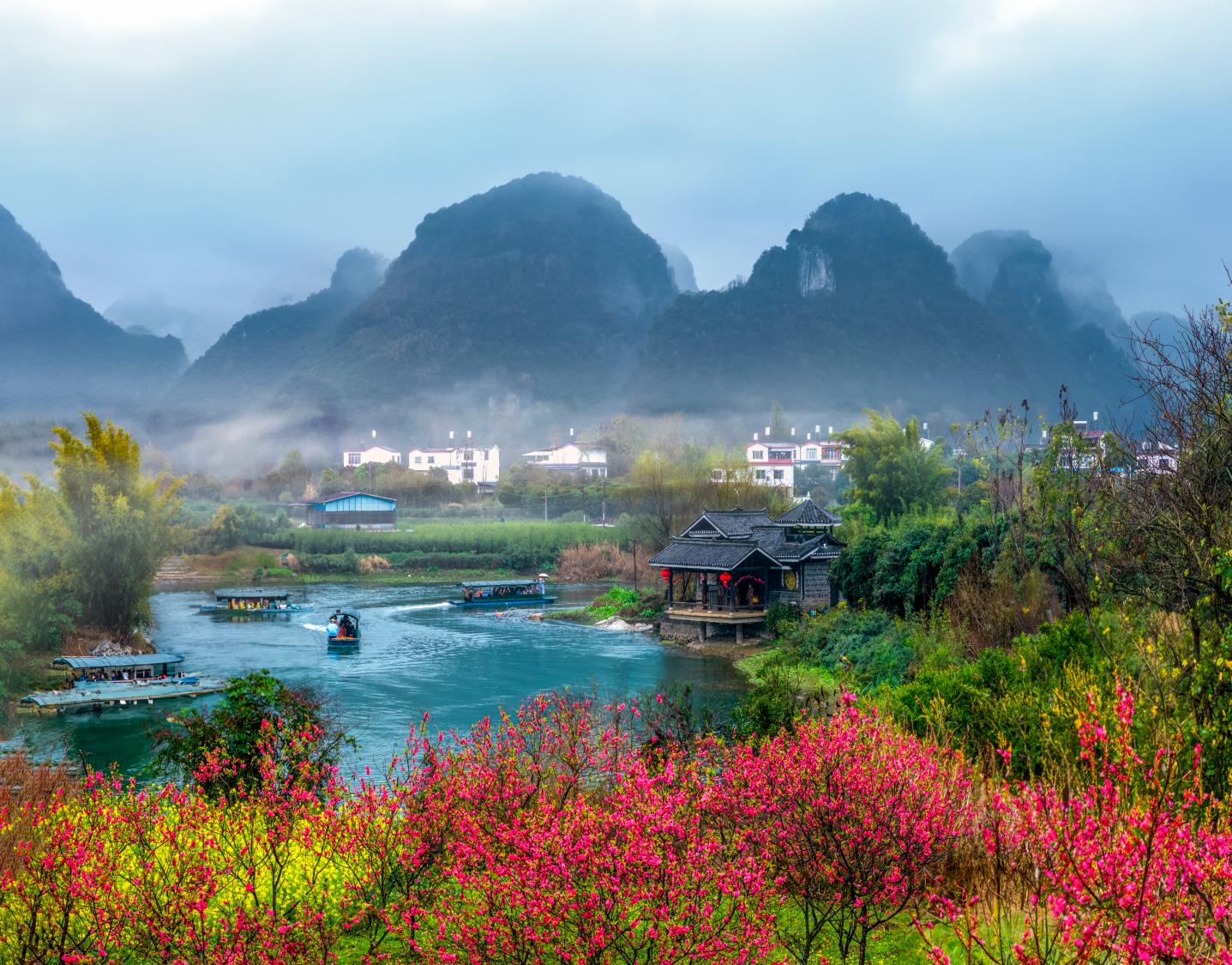
After the publication of Peach Blossom Spring, countless literati of all dynasties were attracted to it. From Tang poetry and Song Ci, to Yuan Qu, Ming and Qing Wenfu, "Peach Blossom Spring" continues to appear in Chinese literature and has become one of the most important images in the spiritual world of literati. Wang Wei, a poet of the Tang Dynasty, built an empty artistic conception with landscape poems. Li Bai expressed detachment and free and easy by Taoyuan. Bai Juyi described idyllic leisure. Su Shi, Lu You, Xin Qiji and other literati of the Song Dynasty also expressed their yearning for the Taoyuan world in their poems.
For ancient Chinese literati, "Peach Blossom Land" not only represents the beauty of landscape, but also an ideal personality and spiritual freedom. There, people are far away from power disputes and worldly worries, and are naturally integrated with heaven and earth. Therefore, the Peach Blossom Spring has become the most oriental philosophical cultural symbol in Chinese literature. It not only symbolizes homecoming, but also symbolizes freedom; it is not only a secret realm outside reality, but also a spiritual home in people's hearts.
Chinese Wonderland hopes that through poetry display, cultural space and landscape scenes, visitors can re-experience the poetic world in traditional Chinese culture. When people walk between mountains and rivers, it seems that they are also meeting the literati and writers of thousands of years ago in the same Taoyuan.
丹青桃源|历代画家心中的理想山水
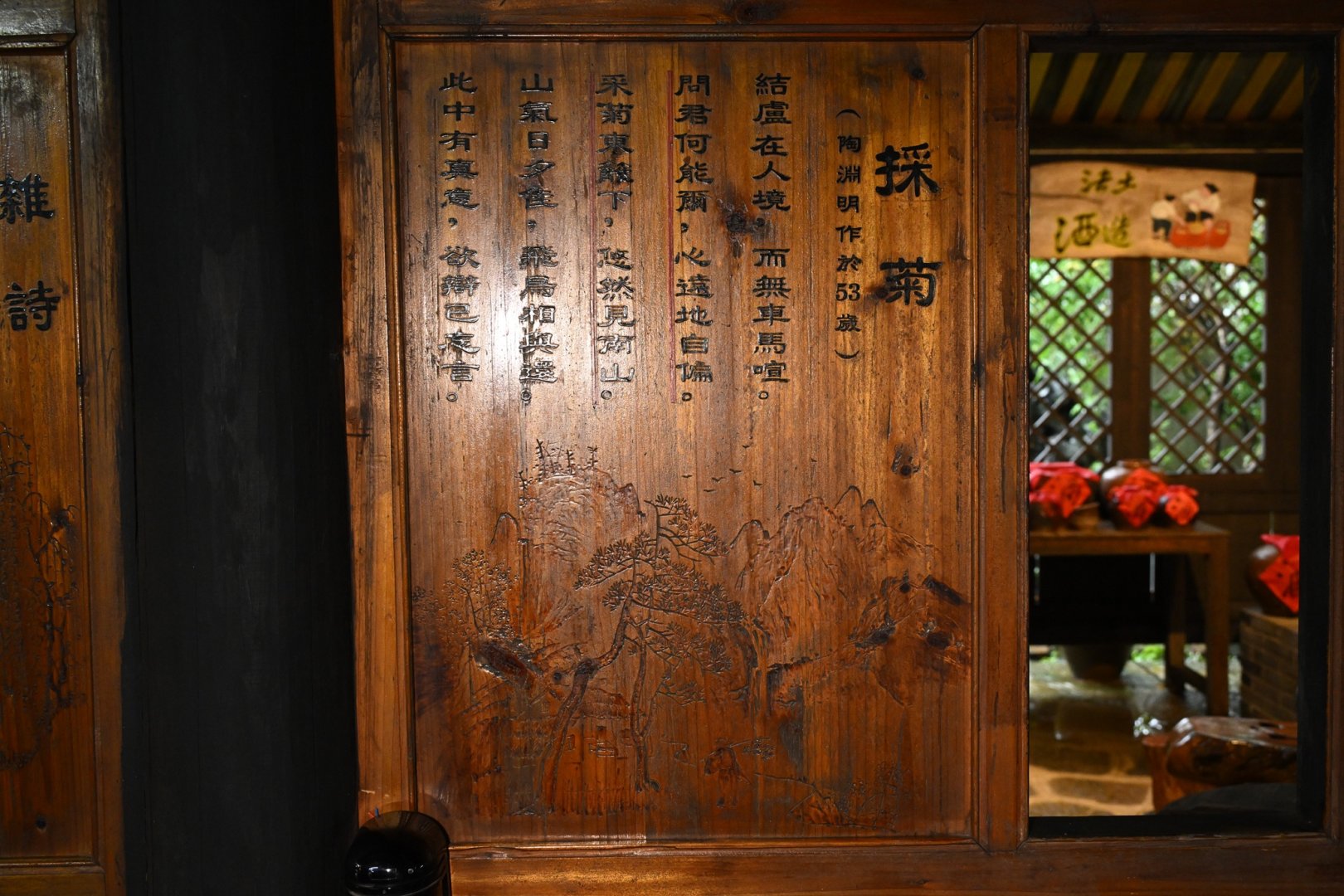
In addition to poetry, "Peach Blossom Garden" also deeply influenced the development of Chinese landscape painting. Since the Tang and Song Dynasties, countless painters have used Peach Blossom Spring as inspiration to depict the secret realm of Taoyuan in their hearts. In these works, people can often see: mountains are stacked, clouds and mist; peach blossoms are in full bloom, flowing water canoes; villages are looming, smoke from kitchen chimneys; people and nature coexist harmoniously, just like a fairyland on the world.
These paintings do not simply depict natural scenery, but express the philosophy of landscape in traditional Chinese culture. In oriental aesthetics, landscape is not only a landscape, but also a realm of life. Therefore, peach garden painting often pay attention to "artistic conception" rather than realistic, emphasizing the spiritual relationship between people and heaven and earth.
The Peach Blossom Garden in the painting is sometimes ethereal and distant, sometimes misty and misty; sometimes quiet and elegant, sometimes magnificent. But no matter how the expression changes, its core is always the same-that is, people's yearning for the ideal world.
Chinese Wonderland also specially collects and displays related Taoyuan cultural images, calligraphy and painting art and oriental landscape artistic conception, hoping to let tourists not only appreciate Guilin landscape, but also enter the "Taoyuan world" of traditional Chinese art ". Here, the landscape is not only a natural landscape, but also an unfolding Oriental scroll.
渊明山庄|以文脉之名,延续桃源精神
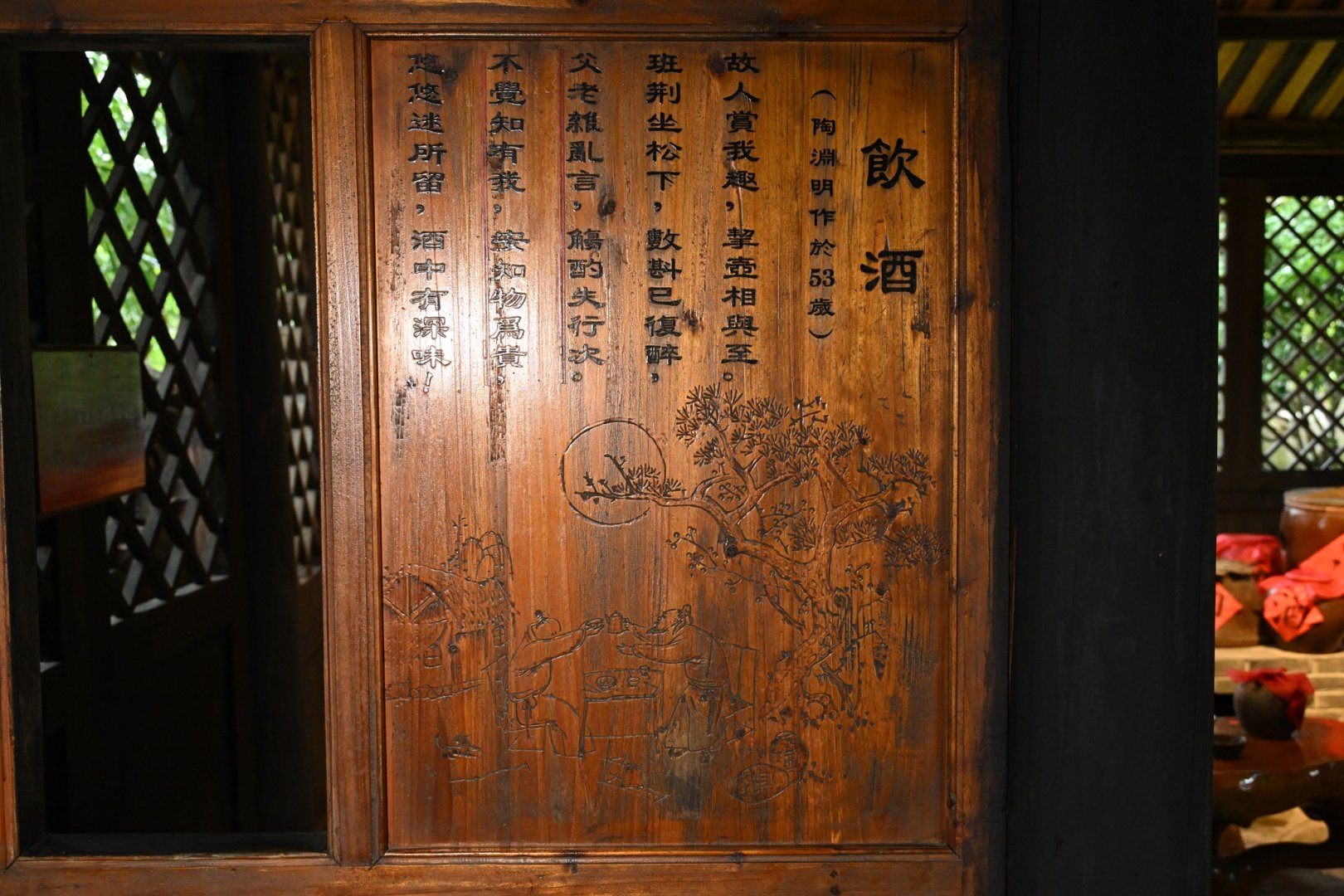
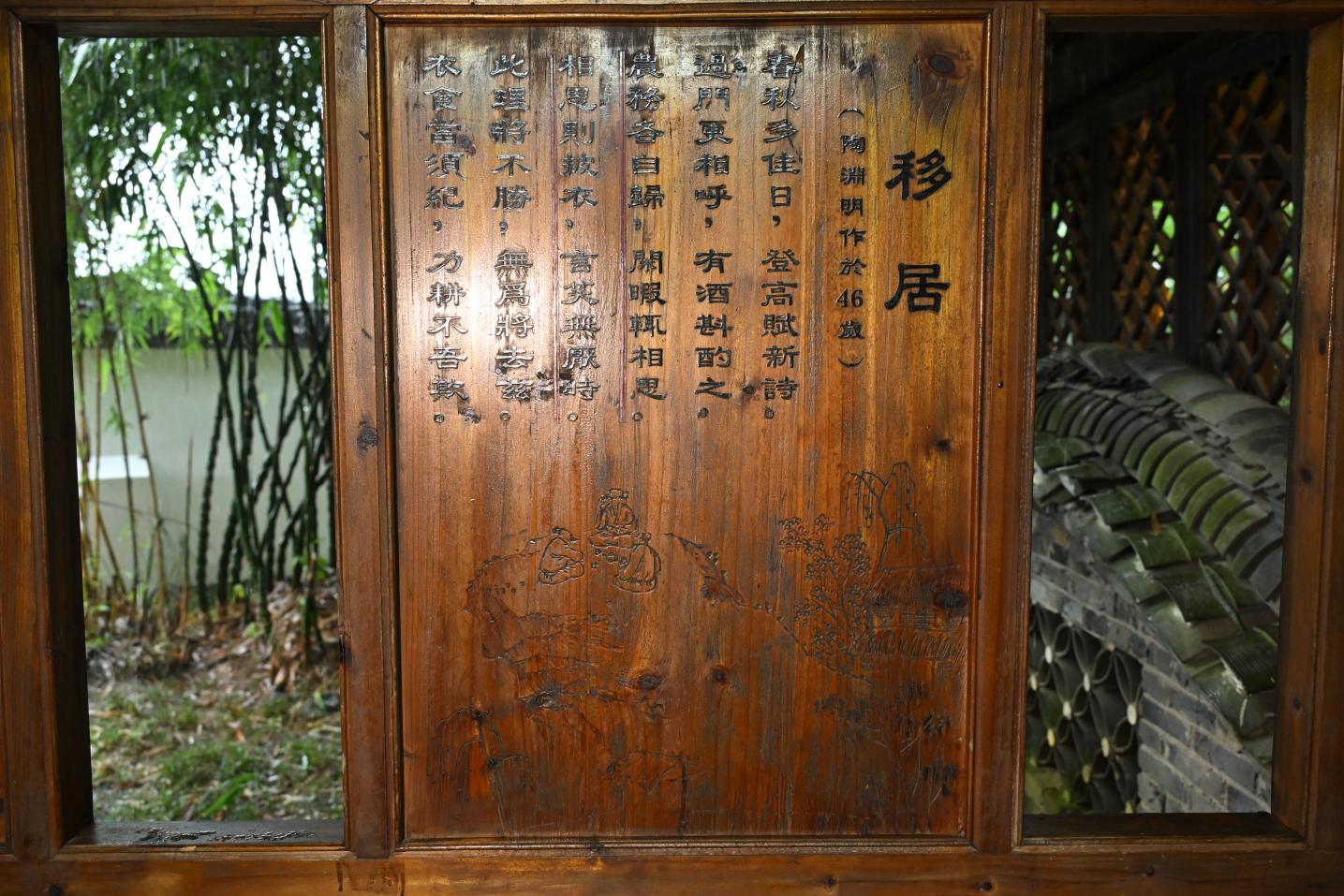
In order to commemorate the important influence of Tao Yuanming on Chinese culture,Chinese Wonderland specially uses the name of "Yuanming" to create "Yuanming Villa" with oriental cultural flavor ". "Yuanming Villa" is not only a landscape space, but also a symbol of tribute to Tao Yuanming's spiritual world.
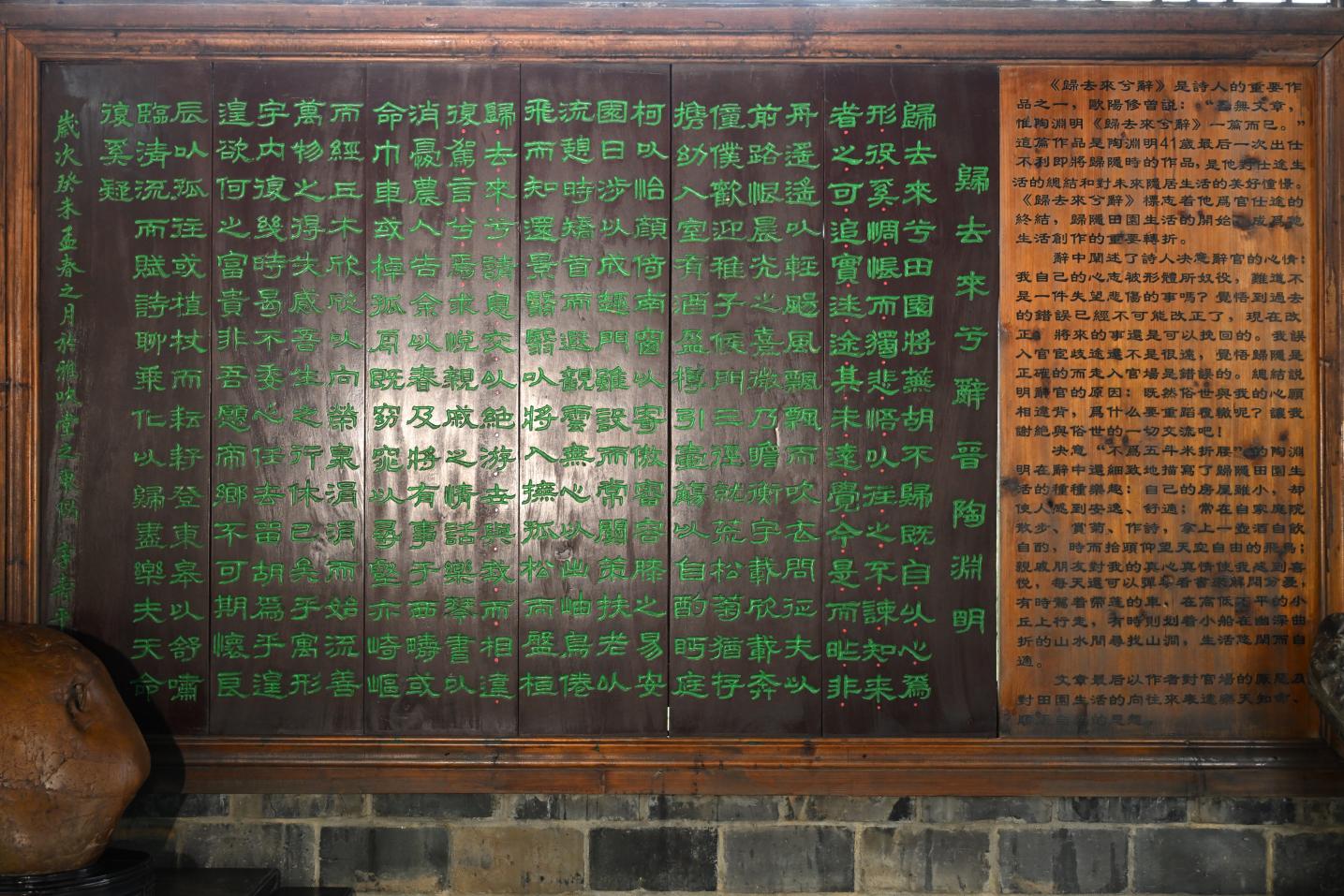
It combines traditional architecture, Shan Shui Culture Park forest, poetry culture and oriental life aesthetics, hoping to create a Taoyuan artistic conception of "habitable, travelable and sensible. Tourists walk among them, not only to appreciate the architecture and landscape, but also to enter the pastoral world described by Tao Yuanming. In the villa, there is also a special collection of poems, calligraphy and works of art related to Tao Yuanming, Peach Blossom Spring and Taohuayuan culture.
These contents not only show the continuous continuation of the "Taoyuan ideal" of Chinese traditional culture, but also enable tourists to have a deeper understanding of the spiritual connotation of Peach Blossom Spring culture from the perspectives of literature, art and history. Here, culture is no longer just a static display, but an oriental life experience that can be immersed.
When the breeze passes through the courtyard and the landscape reflects into the corridor, it seems that the ideal life pursued by Tao Yuanming thousands of years ago still exists between this landscape.
墨韵新生|让千年桃源文化走进新时代
Peach Blossom Spring culture can be passed down for thousands of years, not only because of a classic article, but also because it always responds to people's yearning for a better life. Even though times are changing, people still yearn for: tranquil landscapes, pure life, free hearts, and a truly harmonious relationship between man and nature.
Therefore,Chinese Wonderland not only hopes to preserve the traditional culture, but also hopes to let the "Taoyuan spirit" be felt again in the new era. The traditional poetry, oriental calligraphy and painting, landscape aesthetics and modern cultural and tourism experience are integrated here. Through immersion space, cultural display, art scene and digital communication, the younger generation can also re-understand Tao Yuanming and Taohuayuan culture. From the ancient literati's pen and ink painting to today's landscape light and shadow and cultural space, the Peach Blossom Spring culture is continuing to grow in new forms.
Chinese Wonderland is also becoming an important bridge between traditional culture and modern life. Here is not only a collection of thousands of years of poetry, but also hope to reawaken the emotional memory of "Taoyuan" in the hearts of modern people.
A volume of poetry and painting, Millennium Taoyuan
Starting from a short essay in the Eastern Jin Dynasty, Peach Blossom Spring entered the long river of Chinese culture for thousands of years. From poems and songs to landscape paintings; From the ideal of literati to the yearning of the world. Countless people have been looking for their own peach blossom garden between poetry and ink.
Today,Chinese Wonderland is making this cultural mood that spans thousands of years, re-transformed into a real and tangible human landscape. When poems reflect mountains and rivers, when ink rhyme merges into misty rain, perhaps you will find-the real peach blossom garden, not only
it exists in the words of the ancients and in the quiet world in everyone's heart.